Tagged: marketing Toggle Comment Threads | Keyboard Shortcuts

  • Unknown's avatar

    Nicos Paschali 2:43 pm on February 1, 2025 Permalink | Reply
    Tags: blueoceanstrategy, , , , marketing, strategicinnovation,   

    The Leadership Imperative Rethinking Strategy for Competitive Advantage with Blue Ocean Strategy. 

    The Leadership Imperative: Rethinking Strategy for Competitive Advantage with Blue Ocean Strategy

    Set Sail for Uncharted Waters – Embrace Blue Ocean Innovation to Redefine Markets and Outpace the Competition.

    Nicos Paschali, February 2025

    Set sail for uncharted waters—where innovation transforms competitive pressure into opportunities for groundbreaking growth.

    By shifting focus from traditional cost-cutting to value innovation, organisations can create uncontested market spaces that redefine industry norms and secure sustainable competitive advantage.

    In today’s dynamic business landscape, the traditional focus on cost-cutting and efficiency as the sole drivers of competitive advantage is becoming increasingly outdated. While operational efficiency remains essential, building a sustainable edge in the marketplace is no longer sufficient. Instead, leaders must embrace a strategy that centres on innovation across products, business models, customer experiences, and industry norms. One robust framework for achieving this is the Blue Ocean Strategy, which shifts the focus from competing in crowded markets to creating uncontested market space.

    From Red Oceans to Blue Oceans

    Historically, many organisations have concentrated on competing in “red oceans,” where the market is saturated with similar offerings. The primary focus is on beating the competition—often through cost reduction. However, as noted by Kim and Mauborgne, the architects of the Blue Ocean Strategy, red oceans are defined by fierce competition, shrinking profits, and relentless rivalry. The provided text underscores this shift by stating that “a sustainable competitive advantage cannot be built solely on efficiency. Cost-cutting is necessary but insufficient.”

    Blue Ocean Strategy advocates for creating “blue oceans”—untapped market spaces ripe for innovation, where competition is rendered irrelevant. Organisations are encouraged to redefine market boundaries instead of fighting over a finite customer base, thereby unlocking new demand and making the competition immaterial. This paradigm shift calls for a commitment to breakthrough innovations that create new value rather than merely optimising the past.

    Key Pillars of an Innovation-Driven, Blue Ocean-Inspired Strategy

    To assess whether your organisation’s strategy is genuinely innovation-driven and in line with Blue Ocean principles, consider these guiding questions:

    1. Does our strategy create new value, or does it primarily focus on reducing costs?

    A blue ocean move is about value innovation—simultaneously pursuing differentiation and low cost. Companies can create offerings that redefine customer expectations by challenging the status quo and exploring new value curves, much like how Cirque du Soleil reinvented the circus industry.

    2. Are we actively challenging industry assumptions or competing within existing frameworks?

    Innovation requires questioning long-held assumptions about how business should be done. Blue Ocean Strategy invites organisations to break free from conventional boundaries and explore new possibilities. This approach involves identifying what factors the industry has long competed on and then reimagining these elements to offer unprecedented value.

    3. Are we innovating at multiple levels of business model, operations, and customer experience?

    Strategic innovation should be comprehensive. Beyond mere product improvements, blue ocean thinking requires a holistic transformation across the business. This might include reconfiguring the supply chain, rethinking the customer journey, or altering the revenue model to capture new forms of value.

    4. Do we have mechanisms for continuous strategic experimentation and adaptation?

    In a rapidly evolving market, agility is paramount. Organisations must implement robust feedback loops, invest in R&D, and foster a culture of experimentation. A blue ocean mindset is not a one-off initiative; it requires ongoing refinement and adaptation to maintain a competitive edge.

    The Business Case for a Blue Ocean Approach

    Investing in innovation and value creation through a blue ocean approach offers significant rewards. Take, for example, the success stories of companies like Apple and Tesla. These organisations did not merely focus on cost efficiency; they redefined entire industries by offering products and services that created new market spaces. Apple’s emphasis on design and user experience and Tesla’s pioneering of electric vehicles and sustainable energy solutions are prime examples of how blue ocean moves can lead to market leadership.

    Research supports this strategic shift. A study published in the Harvard Business Review indicates that companies engaging in blue ocean strategies tend to enjoy higher growth rates and profitability than their peers locked in red ocean competition. Traditional market constraints do not limit these companies but are free to explore and exploit new demand and value propositions.

    Building a Culture of Blue Ocean Innovation

    Transitioning to a blue ocean strategy is not merely about adopting a new business model—it requires a fundamental cultural transformation. Leaders must cultivate an environment that nurtures creativity, embraces risk, and encourages cross-functional collaboration. Here are some key steps to build a blue ocean culture:

    Invest in Talent and Continuous Learning:

    Equip employees with the skills and knowledge needed to think outside the box. This might involve training programs, innovation labs, or partnerships with academic institutions that foster creative problem-solving.

    Empower Cross-Functional Teams:

    Break down silos within the organisation to allow diverse teams to collaborate and generate innovative ideas. Companies can tap into a wide range of perspectives that fuel breakthrough innovations by creating open dialogue and experimentation spaces.

    Adopt Agile Methodologies:

    Implement agile frameworks that enable rapid prototyping, testing, and iteration. This approach accelerates the innovation process and ensures that the organisation remains responsive to changing market dynamics.

    Leverage Data and Technology:

    Utilise advanced analytics and digital tools to gain insights into emerging trends and customer behaviour. Data-driven decision-making can help identify untapped market opportunities and refine strategic initiatives in real-time.

    Conclusion

    The future of strategic leadership lies in the ability to transcend traditional paradigms and embed innovation into every facet of organisational strategy. As the initial text articulates, “Those who embrace strategy as a blueprint for differentiation position themselves for long-term success. As markets evolve, the organisations that thrive will not be those that optimise the past—they will be the ones that invent the future.”

    By integrating Blue Ocean Strategy principles—focusing on value innovation, challenging industry norms, and pursuing a holistic transformation—leaders can unlock new market spaces and create sustainable competitive advantages. This shift from a cost-centric approach to continuous innovation positions organisations for long-term success and ensures they remain adaptable in an era marked by rapid technological and market changes.

    Embracing the blue ocean mindset is not merely a strategic option but a necessity for survival and success in today’s competitive landscape. Organisations can drive growth, foster resilience, and secure a lasting competitive edge in an ever-evolving marketplace by committing to reinventing the future and creating uncontested market space.

    Topics

    1. Blue Ocean Strategy in Practice
      1. Explore how companies can break free from crowded markets and create their own space through innovative value propositions.
    2. Leadership and Strategic Innovation
      1. Delve into the role of forward-thinking leadership in driving organisational change and fostering a culture of continuous innovation.
    3. Creating a Sustainable Competitive Advantage
      1. Discuss strategies for moving beyond cost-cutting to build long-term, innovation-driven success in evolving market landscapes.
    4. Redefining Industry Norms
      1. Examine case studies and examples of how reimagining business models and customer experiences can disrupt established industry standards.
    5. Agile Transformation and Market Adaptability
      1. Analyse the importance of agility and strategic experimentation in adapting to market shifts and maintaining a competitive edge.

    #BlueOceanStrategy, #InnovationLeadership, #ValueInnovation, #CompetitiveAdvantage, #StrategicInnovation, #DisruptiveInnovation, #BusinessTransformation, #AgileLeadership, #MarketInnovation, #FutureOfBusiness

    Send me your wishes: nicispas@gmail.com

     
  • Unknown's avatar

    Nicos Paschali 12:53 pm on January 30, 2025 Permalink | Reply
    Tags: , , , marketing,   

    Creating New Business Growth. 

    Creating New Business Growth.

    Creating new growth instead of competing for existing market share involves several strategic approaches. Here are some key methods:

    1. Innovation:
      • Product Innovation involves Developing new products or significantly enhancing existing ones to meet unmet needs or create new markets. For example, Apple’s introduction of the iPhone created a new category of smartphones and redefined consumer expectations.
      • Process Innovation involves Improving how products are made, or services are delivered. This can open up new markets or significantly reduce costs (e.g., Tesla’s advancements in battery technology).
    2. Blue Ocean Strategy:
      • Instead of fighting over a shrinking pool of customers in a “red ocean,” seek to create “blue oceans” of uncontested market space. This means looking for or creating new demand where there are no competitors yet. 
      • Examples include Cirque du Soleil, which combined circus arts with theatre, thus creating a new entertainment category.
    3. Market Expansion:
      • Geographic Expansion: Enter new markets where your product or service isn’t yet available. This could mean international expansion or targeting different demographic segments within existing markets.
      • Diversification: Explore different industries or sectors where your company’s core competencies can be leveraged.
    4. Customer-Centric Innovation:
      • Listen to the customer’s voice to identify what they want now and might need in the future. This can lead to creating solutions for problems customers didn’t know they had.
      • Implement a culture of continuous feedback where customer insights directly influence product development.
    5. Disruptive Business Models:
      • Think like a disruptor by changing how business is done in your industry. For instance, Netflix pioneered streaming services and disrupted traditional video rental.
      • Subscription, freemium, or platform-based business models can change the competition dynamics.
    6. Technology Utilization:
      • Leverage cutting-edge technology like AI, IoT, blockchain, etc., to create new business models or to enhance products or services. This can lead to new ways of interacting with customers or managing supply chains.
    7. Partnerships and Ecosystems:
      • Build ecosystems where companies collaborate to create more value than they could alone. This can be done through strategic alliances, co-innovation, or platforms that benefit multiple parties.
    8. Sustainability and Social Impact:
      • Companies focusing on sustainability or social impact can capitalise on growing consumer trends toward ethical consumption, opening up new markets or niches.
    9. Educating the Market:
      • Sometimes, new growth comes from educating consumers about new possibilities or benefits they weren’t aware of, thus creating demand for your product.

    Implementing these strategies requires a culture that values innovation, risk-taking, and long-term vision over short-term gains. Leadership must be committed to exploring new avenues, even if it means diverting resources from current profitable operations. The key is not just reacting to market conditions but shaping them proactively through pioneering efforts.

    #InnovationDriven, #BlueOceanStrategy, #MarketDisruption, #NewGrowth, #CustomerCentric, #TechUtilization, #BusinessEcosystems, #SustainableBusiness, #MarketExpansion

    #ProductInnovation

       
    1. Unknown's avatar

      Nicos Paschali 7:15 am on December 27, 2024 Permalink | Reply
      Tags: , , , marketing, seo   

      Nicos Paschali: Crafting Premium Content with Four Decades of Expertise 

      For four decades, Nicos Paschali has shaped the narrative landscape of global business communication, transforming complex ideas into compelling stories that drive results. As a distinguished content writer and strategic communicator, he has mastered the art of crafting messages that resonate with audiences and deliver measurable business impact.

      Drawing on 40 years of expertise across diverse industries, Nicos specialises in creating premium content that elevates brands and positions organisations as thought leaders in their respective fields. His methodology combines deep market understanding, strategic insight, and masterful storytelling to produce content that stands out today’s crowded digital space.

      Core Expertise:

      • Strategic Content Development – Architecting comprehensive content strategies that align with business objectives and drive market positioning

      • Executive Communications – Crafting high-stakes communications for C-suite executives and industry leaders

      • Thought Leadership – Developing authoritative content that establishes market authority and influences industry discourse

      • Brand Storytelling – Creating compelling narratives that strengthen brand identity and foster deep audience connections

      Nicos’s approach is distinguished by his commitment to excellence and deep understanding of how premium content drives business growth. He doesn’t just write content; he creates strategic assets that generate lasting value for organisations willing to invest in quality.

      His client portfolio includes industry leaders who understand that exceptional content is an investment in their market position. Working with Nicos means partnering with a seasoned professional who brings decades of insight, strategic thinking, and proven expertise to every project.

      Investment in Quality:

      Nicos’s services are structured for organisations that recognise the value of premium content in driving business success. His pricing reflects his work’s strategic nature and its exceptional results. By choosing to work with Nicos, clients invest in performance content, positioning themselves at the forefront of their industries.

      Nicos Paschali offers unparalleled expertise and a proven track record of excellence for organisations ready to elevate their content strategy and market presence. His work isn’t just about words on a page—it’s about creating strategic advantage through assertive, purposeful communication.

      “In today’s market, premium content isn’t a luxury—it’s essential for organisations serious about leading their industries. My role is to assist these leaders in communicating with the clarity and authority their positions demand.”

      – Nicos Paschali

      Ask for assistance at nicospas@gmail.com

       
    2. Unknown's avatar

      Nicos Paschali 8:33 am on December 13, 2024 Permalink | Reply
      Tags: , , freelancing, marketing, networking, presentation, scripts, speech   

      Why Relationships Open Doors, but Value Secures Clients   

      Why Relationships Open Doors, but Value Secures Clients  

      Building a successful business isn’t just about having the perfect pitch or crafting a captivating title. While these elements matter, they pale compared to two critical components: relationships and value. Together, they form the foundation for sustainable success.  

      Relationships are the key to opening doors. Networking, personal connections, and genuine interactions often pave the way for opportunities. A strong relationship can get you in the room and even place your name on someone’s radar. However, relationships alone won’t seal the deal.  

      Here’s the truth: Value is what secures clients. No matter how well-connected you are, clients ultimately want results. They seek solutions to their problems and measurable outcomes. This means you should focus on delivering value that meets their needs and exceeds their expectations.  

      So, how do you strike the right balance?  

      1. Nurture relationships authentically. Invest time in building trust and demonstrating genuine interest in others. Relationships should always feel authentic.  

      2. Demonstrate your value. From the first conversation to the final deliverable, clarify how your services solve problems, save time, or create opportunities.  

      3. Let your actions speak louder than titles. While a catchy tagline or polished profile can attract attention, your ability to deliver value will seal the deal.  

      Remember: Relationships open doors, but your value ensures you walk through them and leave with loyal clients. Focus on both, and you’ll distinguish yourself in a crowded market.

       
    3. Unknown's avatar

      Nicos Paschali 3:54 pm on December 2, 2024 Permalink | Reply
      Tags: , , , marketing,   

      Learning Nugget: Unlocking Audience Engagement with the 4A Framework 

      “A Comprehensive Guide to Crafting Engaging and Impactful Ideas for Modern Audiences”

      Introduction:

      Hook: In an era of information overload, standing out isn’t just about having good ideas—it’s about having the right ideas. Imagine a content strategy so dynamic and versatile. It caters to every audience, regardless of their preferences or learning styles. Enter the 4A Framework, a revolutionary approach to creativity and storytelling.

      Thesis Sentence: The 4A Framework consists of actionable, analytical, aspirational, and anthropological elements. It empowers content creators to generate ideas that are not only diverse and engaging but also deeply impactful across industries.

      Section 1: What is the 4A Framework?

      The 4A Framework is a content-generation strategy designed to solve different dimensions of audience engagement. Breaking down content into four pillars ensures a comprehensive approach that resonates with varied audience needs. Let’s explore each pillar:

      1. Actionable Content:

      Content that equips readers with practical tools and tips they can implement immediately.

      Examples: Step-by-step guides, curated lists, and interactive tools.

      2. Analytical Content:

      In-depth explorations that offer new insights through data and analysis.

      Examples: Industry trends, statistical breakdowns, and product teardowns.

      3. Aspirational Content:

      Motivational stories that inspire action and showcase what’s possible.

      Examples: Success stories, lessons from mistakes, advice from experts.

      4. Anthropological Content:

      Content that taps into shared human experiences to foster connection.

      Examples: Addressing common fears, overcoming failures, and exploring human nature.

      Section 2: Why the 4A Framework Matters

      Today’s audiences crave variety and depth. By applying the 4A Framework, creators can:

      • Build trust and authority by addressing both practical and emotional needs.

      • Cater to diverse learning styles—visual, analytical, emotional, and kinaesthetic.

      • Maximize reach and engagement by covering different aspects of a single topic.

      For instance, a brand focusing on mental health can:

      • Offer actionable self-care tips (Actionable).

      • Share trends in mental health treatment (Analytical).

      • Highlight personal success stories of overcoming anxiety (Aspirational).

      • Dive into societal perceptions of mental health stigma (Anthropological).

      Section 3: How to Implement the 4A Framework

      1. Pick a Topic: Choose a topic relevant to your audience, like “Work-Life Balance.”

      2. Break it Down by the 4A’s:

      • Actionable: A guide to creating a work-life balance schedule.

      • Analytical: Trends in remote work and its impact on employee well-being.

      • Aspirational: Stories of individuals who mastered work-life balance.

      • Anthropological: Examining cultural differences in perceptions of productivity.

      3. Choose Formats: Use formats suited for each pillar—videos, blogs, infographics, or podcasts.

      4. Publish Strategically: Release content systematically to keep audience engagement.

      Section 4: Success Stories Using the 4A Framework

      Companies like HubSpot and IKEA have seen immense success by diversifying their content strategies. IKEA’s combination of DIY tutorials (Actionable) and eco-friendly product insights (Analytical) has contributed to its global recognition. It also includes inspiring home transformation stories (Aspirational) and commentary on sustainability in modern homes (Anthropological).

      Conclusion:

      The 4A Framework is more than a method—it’s a mindset. You can integrate actionable tips, analytical insights, and aspirational stories. Adding anthropological reflections can also create a well-rounded content strategy. This strategy informs, inspires, and connects. Whether you’re a marketer, educator, or entrepreneur, the 4A Framework ensures your ideas leave a lasting impact.

      Ready to elevate your content strategy? Start by picking a topic and experimenting with the 4A Framework. Share your journey in the comments—let’s create, connect, and inspire together!

       
    4. Unknown's avatar

      Nicos Paschali 12:53 pm on October 18, 2024 Permalink | Reply
      Tags: , confidence, , , , marketing, solopreneur   

      Are you a solopreneur overwhelmed by the challenges… 

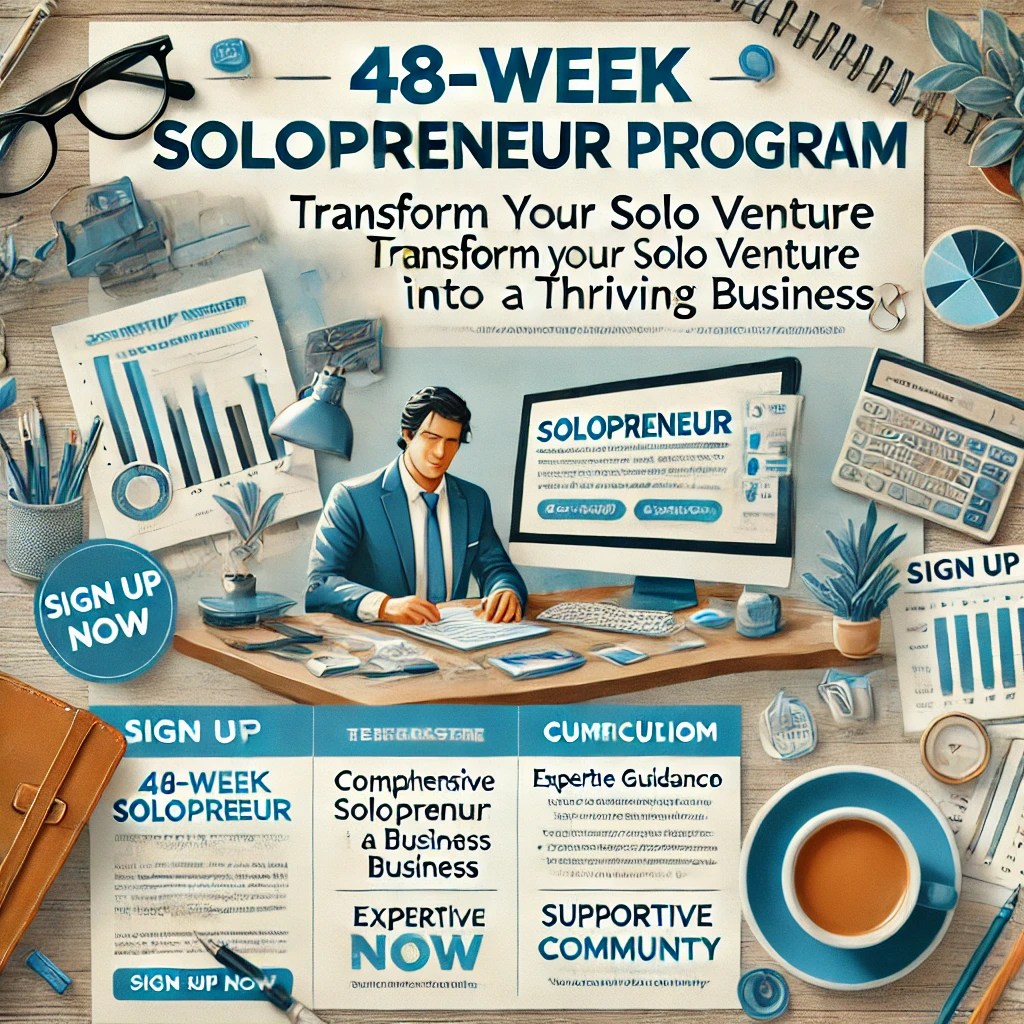
      Are you a solopreneur overwhelmed by the challenges of running a business single-handedly? We have exciting news for you!

      It is introducing our 48-week Solopreneur Program, designed to transform your solo venture into a thriving, sustainable business. This isn’t just another course – a growth, learning, and transformation journey.

      What sets our program apart?

      1. Comprehensive Curriculum: We cover every aspect of solopreneurship, from developing the right mindset to planning your exit strategy.

      2. Practical Application: Each week, you’ll learn and apply your knowledge directly to your business.

      3. Expert Guidance: Learn from seasoned entrepreneurs and industry experts who have travelled your path.

      4. Supportive Community: Connect with like-minded solopreneurs, share experiences, and build lasting professional relationships.

      5. Personalized Approach: We understand that every business is unique. Our program allows for customisation to fit your specific needs and goals.

      Here’s a glimpse of what you’ll learn:

      – Developing a solopreneur mindset

      – Business ideation and validation

      – Creating a lean business plan

      – Marketing and brand building

      – Sales strategies and customer relationship management

      – Efficient operations and systems

      – Strategies for growth and scaling

      – Advanced topics like thought leadership and exit planning

      Don’t let another year pass by feeling stuck or overwhelmed. Invest in yourself and your business. Join our 48-week Solopreneur Program and take the first step towards sustainable success.

      Limited spots are available. Enrol now to secure your place in this transformative journey!

      #SolopreneurSuccess #EntrepreneurshipJourney #BusinessGrowth #ProfessionalDevelopment

       
    5. Unknown's avatar

      Nicos Paschali 4:39 pm on September 21, 2024 Permalink | Reply
      Tags: , , , , marketing, , training   

      Key traits and skills that contribute to a trusted and respected brand personality: 

      Traits of a Strong Brand Personality

      1. Authenticity – Being genuine, honest, and authentic to your core values is crucial for building trust.

      2. Consistency – Maintaining a cohesive brand image and message across all touchpoints helps establish reliability.

      3. Transparency – Being open about business practices and product information and addressing issues directly builds credibility.

      4. Competence—It is essential to demonstrate expertise, reliability, and the ability to deliver on promises.

      5. Empathy – Showing genuine care and understanding of customer needs fosters connection.

      6. Innovation – Being forward-thinking and offering creative solutions can set a brand apart.

      7. Social responsibility – Supporting causes aligned with brand values shows integrity.

      Skills to Develop

      1. Communication – Articulating your brand’s values, mission and unique selling points.

      2. Customer service – Providing exceptional experiences and quickly addressing issues.

      3. Adaptability – Evolving while staying true to core brand identity.

      4. Data analysis – Understanding customer needs and preferences to inform branding decisions.

      5. Storytelling – Crafting compelling narratives that resonate with target audiences.

      6. Design thinking – Creating cohesive visual branding that reflects personality.

      7. Active listening – Gathering and responding to customer feedback.

      8. Problem-solving – Addressing challenges in ways that reinforce brand values.

      Building Trust and Respect

      To be trusted and respected, brands should:

      1. Consistently deliver high-quality products/services.

      2. Provide excellent customer experiences at every touchpoint.

      3. Be transparent about business practices and product information.

      4. Actively engage with and listen to customers.

      5. Stand behind products/services with strong guarantees/warranties.

      6. Demonstrate expertise and thought leadership in their industry.

      7. Support causes aligned with brand values and customer interests.

      8. Admit and correct mistakes quickly and openly.

      9. Protect customer data and privacy.

      10. Maintain consistency across all brand communications and experiences.

      By embodying these traits, developing key skills, and following trust-building practices, brands can cultivate a personality that resonates with customers and earns their trust and respect over time. The key is to be authentic, customer-focused, and consistently deliver on brand promises.

       
    c
    Compose new post
    j
    Next post/Next comment
    k
    Previous post/Previous comment
    r
    Reply
    e
    Edit
    o
    Show/Hide comments
    t
    Go to top
    l
    Go to login
    h
    Show/Hide help
    shift + esc
    Cancel