The Importance of Disagreement in Building Strong Relationships
Disagreement is often misunderstood as conflict, yet it serves as a crucial foundation for deep relationships to flourish. Dr. Cloud emphasizes that embracing disagreement can lead to personal and team growth, encourage authenticity, and prevent resentment. This document explores the key benefits of fostering an environment where disagreement is welcomed and respected.
Promotes Personal and Team Growth
When individuals feel free to express their disagreements, it cultivates an atmosphere ripe for creativity and innovation. Openly challenging and refining ideas leads to more robust decision-making and solutions. This dynamic not only enhances individual growth but also strengthens team performance, as diverse perspectives contribute to a richer pool of ideas.
Encourages Authenticity
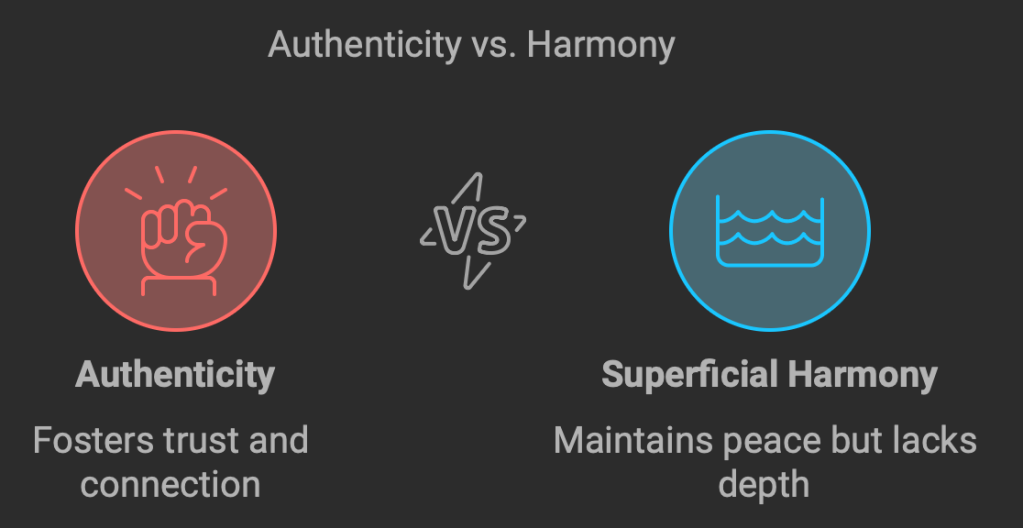
The ability to disagree fosters authenticity in relationships. When people can express differing opinions without fear of judgment, they are more likely to show up as their true selves. This authenticity builds trust and strengthens connections, allowing relationships to thrive on genuine understanding rather than superficial harmony.
Prevents Resentment and Conflict
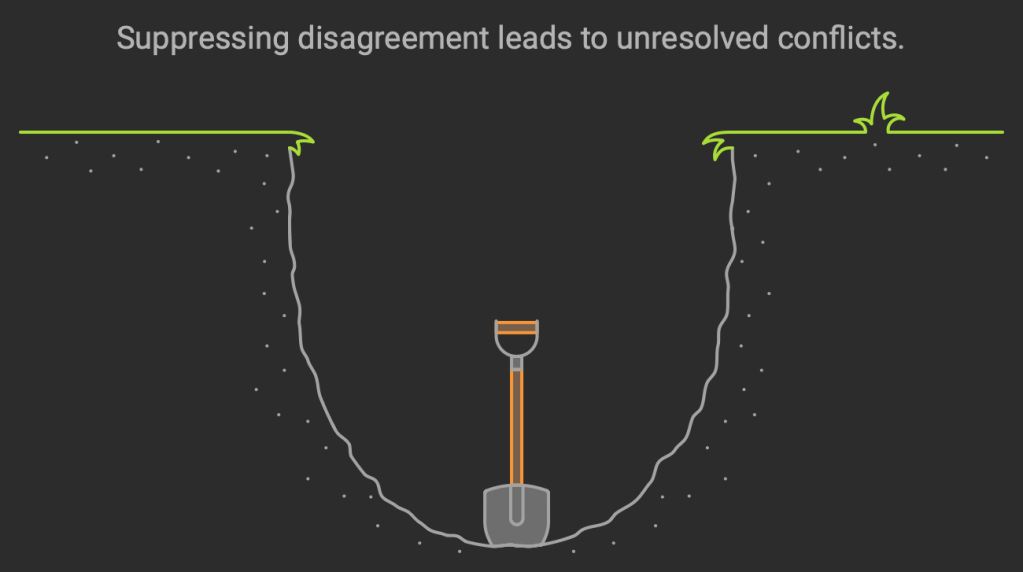
Suppressing disagreement can lead to unresolved issues that fester over time, ultimately resulting in more significant conflicts. By allowing disagreements to be expressed openly and addressed respectfully, tension can be diffused before it escalates. This proactive approach not only prevents long-term relational damage but also promotes a healthier, more communicative environment.
In conclusion, embracing disagreement is essential for nurturing deep, meaningful relationships. By recognizing its value in promoting growth, encouraging authenticity, and preventing conflict, individuals and teams can create a more dynamic and resilient relational landscape.
The Freedom to Disagree: Building Deeper Relationships Through Honest Dialogue
The freedom to disagree is a gift many take for granted, often viewing disagreement as a potential source of conflict rather than a pathway to intimacy and growth. However, according to Dr. Henry Cloud, a clinical psychologist and bestselling author, disagreement is critical in fostering deep and meaningful relationships. Dr. Cloud has spent his life helping people develop healthier connections through his psychology, coaching, and consulting work—touching over 150 million lives and selling more than 20 million books. And if there is one thing he has found essential to cultivating true intimacy, it is the freedom to disagree.
In today’s world, where unity is often confused with uniformity, it is essential to understand that disagreement does not necessarily equate to conflict. In fact, as Dr. Cloud points out, disagreement is the foundation on which thriving relationships—whether personal, professional, or familial—must be built.
To understand why this is so, we must explore three powerful ways disagreement fosters growth, authenticity, and emotional health.
Disagreement Promotes Growth
The freedom to disagree fosters creativity and innovation in the workplace and our personal lives. Ideas are born, tested, refined, and ultimately improved through the exchange of diverse viewpoints. Dr. Cloud believes that when people feel safe to voice their differing opinions, they create an environment of curiosity that allows the best ideas to emerge.
Imagine a team where everyone is in complete agreement all the time. Such a team might avoid short-term tension but also become stagnant and predictable. True innovation requires a willingness to push against the status quo, challenge assumptions, and question how things have always been done. This, of course, is where disagreement comes into play.
When individuals feel empowered to share their honest thoughts, even if they oppose the majority view, they create opportunities for personal and team growth. It is within this space—a space where people are not punished or judged for having an alternative perspective—that creativity can truly flourish. The outcome is a culture where decisions are more thoroughly considered, solutions are more robust, and relationships are strengthened by the trust that develops when people know their voices will be heard.
Disagreement Encourages Authenticity
Another key benefit of embracing disagreement is the encouragement of authenticity. Too often, people avoid expressing their true feelings or opinions out of fear that it will create tension or cause them to be disliked. However, when people are allowed to disagree openly, it creates an environment where they feel safe to show up as their authentic selves—without the need to please others or pretend to agree.
Authenticity is the lifeblood of deep relationships. Only when we are fully known—for both our agreements and our disagreements—can we be fully loved. When we suppress our differences to avoid potential conflict, we miss the opportunity for genuine connection. Dr Cloud reminds us that it’s only by being open and honest, even when uncomfortable, that we can build trust and experience true intimacy in our relationships.
When leaders, partners, or friends foster a culture of openness, they allow others to bring their whole selves to the table. This means acknowledging differences in opinion without judgment and striving to understand perspectives that differ from our own. When handled respectfully, disagreement becomes a pathway to understanding, allowing individuals to feel valued for who they are rather than just for their ability to conform.
Disagreement Prevents Resentment and Conflict
Ironically, avoiding disagreement often leads to the very thing we’re trying to prevent: conflict. When people suppress their true thoughts and feelings to maintain a façade of harmony, it usually results in unresolved issues that can plague beneath the surface. Over time, these unspoken disagreements accumulate, resulting in frustration, resentment, and often an explosive conflict that could have been avoided had those issues been addressed earlier.
Dr. Cloud emphasizes that when expressed openly and respectfully, disagreement acts as a safety valve. It allows tension to be diffused before it can build up and create lasting damage. Rather than seeing disagreement as something to fear, we should embrace it as an opportunity to address issues, refine our perspectives, and find common ground.
Respectful disagreement prevents life’s minor annoyances and misunderstandings from turning into major issues. When people feel heard and understood, even if their viewpoints do not prevail, they are less likely to harbour resentment. The freedom to disagree fosters an environment where complex topics can be tackled constructively, leading to stronger relationships and healthier dynamics.
The Role of Leaders in Encouraging Disagreement
Good leaders are responsible for finding the best answers to any challenge or problem. As Dr. Cloud explains, influential leaders understand that neither they, their team, nor their side may always have the right solution. As a result, they commit to keeping an open mind and listening to everyone, including those who oppose them or offer alternative viewpoints.
This kind of leadership requires humility—the humility to recognize that the best ideas might come from someone else and the courage to allow space for those ideas to be expressed, even if it means inviting dissent. Leaders who encourage disagreement create a culture where every team member feels valued and empowered to contribute. They understand that the collective strength of diverse perspectives leads to the best decisions and ultimately drives success.
Conclusion: Embracing the Freedom to Disagree
The freedom to disagree is not about encouraging conflict for conflict’s sake. It’s about fostering an environment where individuals feel safe to express their authentic selves, where creativity and innovation flourish, and where tension is addressed before it can lead to lasting resentment.
Dr. Henry Cloud’s work reminds us that true intimacy—in our personal relationships, workplaces, or communities—is built on openness and honesty. We can create more profound, authentic, and ultimately more fulfilling relationships by embracing the freedom to disagree. The next time you find yourself in a situation where you disagree, consider it an opportunity to grow, connect, and build something stronger together.




 Nicos Paschali, International Author, Designer & Facilitator of Learning Workshops. Mental Discipline Coach.
Reply